Groundhogs, also known as woodchucks and whistle pigs, may look cute and cuddly, but they are among the most destructive garden pests. Not only do groundhogs wreak havoc in vegetable beds, mowing down entire rows of peas, beans, and carrots, but they also dig unsightly burrows and tunnels in grass lawns and clamber up fruit trees in search of a sweet score. If you suspect groundhogs are making a buffet of your vegetable beds and fruit trees, this guide will show you how to safely get rid of the critters and keep them from coming back.
What Are Groundhogs?
Groundhogs are rodents that belong to the marmot or ground squirrel family. Groundhogs are found throughout the eastern and midwestern United States and Canada, mostly living along the margins of woodlands and fields, where they dig extensive underground burrows with branching tunnels for sleeping, eating, and hibernating. In the wild, groundhogs feed on a variety of plants and some insects, but in gardens, groundhogs happily devour most vegetables, as well as fruit, bulbs, and tree bark.
Considerably larger than voles and moles, adult groundhogs weigh between 5 and 13 pounds and usually measure around 16 to 22 inches in length. Covered in fluffy, brownish-grey fur, groundhogs are often confused with gophers, but their front teeth are less pronounced, and they spend more time out of their burrows than gophers do. Groundhogs are most active in spring and summer but spend their winters underground hibernating.
Signs of Groundhog Activity
If you head outside in early morning or evening, you may see groundhogs grazing in your vegetable beds or nibbling on your lawn. If you don’t see the groundhogs themselves, keep a lookout for these signs that groundhogs are afoot:
- Tunnels and burrows: Groundhogs dig extensive tunnels that can stretch over 50 feet long and are accessed by burrow entrances about 10 to 12 inches wide. Entrance holes usually have a pile of dug-up soil nearby, and they are often located near wood piles, overgrown shrubs, or the perimeter of outbuildings that don’t see much human activity. Beyond being unsightly, groundhog burrows can impair the structural integrity of foundations and retaining walls, and they may cause humans or livestock to twist an ankle if they accidentally step inside an entrance hole.
- Missing produce: Compared to other garden pests, groundhogs have big appetites, and they often gobble up entire plants, leaving nothing behind but nubby stems. If you have a lot of missing crops, you may be dealing with groundhog problems. These voracious eaters are particularly fond of soybeans and other legumes, alfalfa, broccoli, corn, and apples.
- Damaged crops: Even when groundhogs leave some produce behind, the damage they cause is significant. Most pests make little nibbles on plants, but groundhogs take big bites out of tomatoes, cabbage heads, and other crops.
How to Prevent and Get Rid of Groundhogs
Groundhogs are primarily solitary animals that live alone unless they’re raising young, so you may only have a single groundhog in your garden. However, just one groundhog can eat about 1 ½ pounds of vegetation a day, which translates into a lot of garden damage. Removing groundhogs can be tricky, so prevention is always best.
1. Remove Food Sources
Groundhogs are more likely to visit gardens with easily accessible sources of food, so rake up fallen fruit beneath fruit trees and pick produce as soon as it’s ripe. Although row covers and grow tunnels are not entirely effective against groundhogs, covering up garden plants with these products can make groundhogs less likely to nibble on your vegetables. If you compost outdoors, switch to a closed-bin composting system to keep groundhogs from browsing for old food in your compost pile.
2. Tidy Up Gardens and Lawns
Like other prey animals, groundhogs feel safer in areas with tall grass and overgrown shrubs. Pruning the lower branches on shrubby plants, weeding, mowing, and trimming grass around wood piles and known groundhog burrows causes these critters to feel exposed and encourages them to move elsewhere.
3. Install Fencing
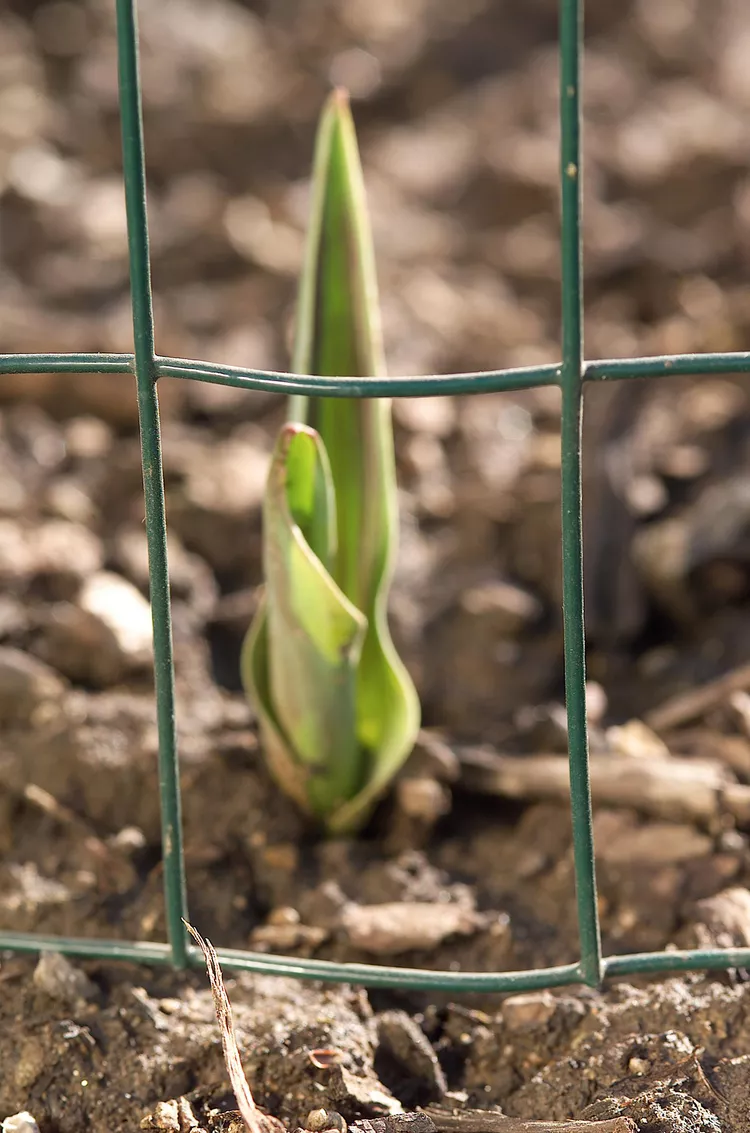
Fencing your garden takes work, but it’s the best way to prevent groundhog problems. Choose sturdy fencing made of poultry wire or 2-inch hardware cloth. Bury the bottom 1 foot of the fence beneath the soil, and angle the lowest 6 inches away from your garden in an L-shape to deter digging. At least 3 to 4 feet of fencing should be above the soil line, with the top few inches of fencing angled outward at a 45-degree angle to keep groundhogs from climbing over the top.
4. Try Natural Deterrents
Castor oil, used kitty litter, cayenne powder, human hair, blood meal, and predator urine sprays are all commonly used to repel groundhogs. Some of these products work better than others, but kitty litter should never be used in food gardens. Natural deterrent products work best when combined with other groundhog repellants, like fencing and companion plants. Sprays usually need to be reapplied regularly and after heavy rains.
Sonic spikes, scare tape, pinwheels, and motion-activated sprinkler systems can also keep groundhogs at bay. Remember to move these products to different areas of your garden from time to time so groundhogs don’t get used to them.
5. Grow Scented Plants
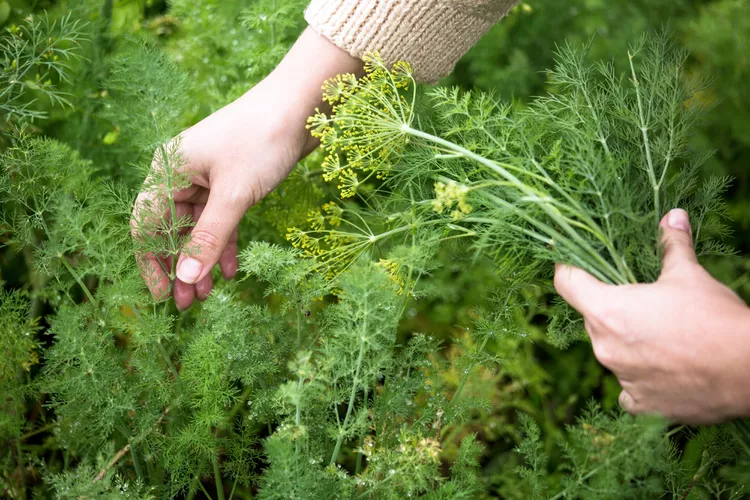
Because they have sensitive noises, groundhogs often avoid scented plants like garlic, onions, lavender, thyme, chives, mint, and oregano. Growing these plants around the perimeter of your garden can make groundhogs less inclined to venture further into garden rows. You can also use these crops as companion plants for vulnerable vegetables.
6. Use Live Traps
Trapping and removing groundhogs should always be a last resort, as groundhogs don’t always survive relocation, and trapping is prohibited in some areas. If you need to remove troublesome groundhogs, it’s best to work with a professional pest control company. However, if you’re determined to trap groundhogs on your own, follow local rules and regulations, and never use poison baits, which can harm non-target animals, such as house pets, foxes, and owls.
Late summer to fall is the best time to trap groundhogs, as they are less likely to have young at this time. Use an appropriately sized live trap baited with food crops, such as apples, carrots, lettuce, or cabbage, and place the baited trap near a known groundhog burrow. If you don’t know where your groundhog lives, watch for the groundhog in the evening and see where it scurries when disturbed. They rarely travel more than 100 feet from their homes.
After setting the trap, check the trap regularly so the captured groundhog doesn’t stay confined for long. After the groundhog is caught, cover the trap with a towel to reduce stress to the animal, and handle the trap with sturdy gloves. Release the groundhog 10 to 20 miles away from human habitation. Once you’re sure the groundhog burrow is empty, fill it with stones to prevent other animals from moving in.
New