With their striped bodies and fascinating antics, chipmunks are undoubtedly adorable, and they’re always fun to watch as they fill their plump cheeks with acorns, berries, and seeds. However, if chipmunks have been damaging your plants or lawn, you can prevent chipmunk problems and safely remove chipmunks from your property with these helpful tips.
Chipmunks: Friend or Foe?
Compared to other “garden pests,” chipmunks generally don’t do much damage, and often a lot of the damage that is attributed to chipmunk activity is actually caused by other animals like voles, moles, and rats. Learning to live with a few chipmunks can reduce a lot of gardening headaches. Plus, chipmunks can actually benefit gardens and other landscapes in certain ways.
The presence of chipmunks is an indicator of a healthy ecosystem, and chipmunks provide an important food source for larger animals like hawks, owls, and bobcats. On top of that, chipmunks help to aerate soils when burrowing, and their habit of burying seeds and nuts helps to sow countless plants and trees. If you allow chipmunks to stick around, you may find lots to love about them.
Signs of Chipmunk Activity
Chipmunks are mostly active during the day, so you may see chipmunks flitting around your yard and popping in and out of bird feeders. But if you aren’t quite sure if you’re dealing with chipmunks or another pest, keep a lookout for these key signs that chipmunks are afoot:
- Missing flower bulbs and tubers. Voles, mice, and other rodents will eat flower bulbs, but chipmunks may also take a nibble of dahlias, crocuses, tulips, and other ornamentals. Sometimes you’ll find damaged bulbs in your garden, or you may simply have bulbs that never sprout because chipmunks got to them first.
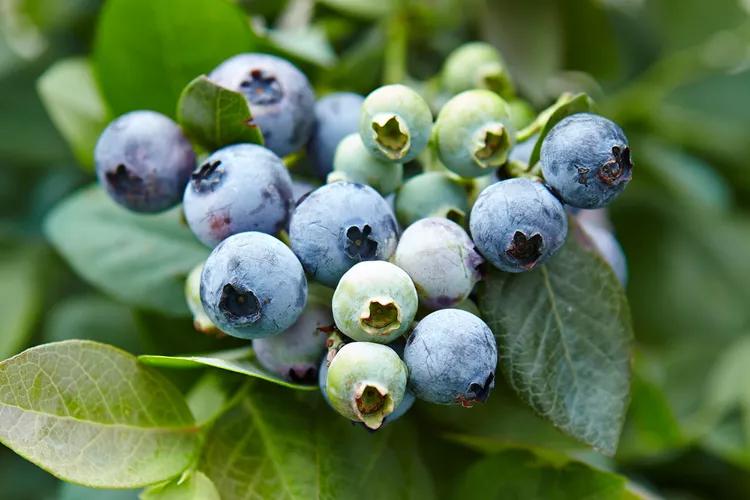
- Crop damage. Chipmunks typically don’t do that much damage to food crops, but they may take a bite out of tomatoes, beans, corn, and other produce—especially when these crops begin to ripen. Chipmunks are particularly fond of berries, and they love snacking on fresh strawberries.
- Small holes and tunnels in flower beds and lawns. Unlike moles and voles, chipmunk tunnels are relatively small, and chipmunks don’t mound up earth at the entrances of their burrows. But if chipmunks are active, you may find small tunnels or holes that measure about 1- to 2-inches wide in your flower beds or lawn.
Rodent damage that occurs overnight is more likely to have been caused by rats than chipmunks.
How to Prevent and Get Rid of Chipmunks
Removing chipmunks can take a lot of work, and it’s not always effective, even under the best circumstances. Instead, it’s usually easier to focus on preventing large populations of chipmunks by reducing food sources and using natural deterrents that make gardens less inviting to furry visitors.
Remove Food Sources
The most common reason why chipmunk populations surge is due to an overabundance of food. So if you want to encourage chipmunks to move elsewhere or prevent chipmunks from creeping into your yard, the first step is to reduce available food sources.
For the time being, put away bird feeders, secure bird seed and pet food in pest-proof containers, and rake up windfallen fruit and spilled bird seed. If you still want to use your bird feeders, consider switching to seeds that are less attractive to chipmunks, such as thistle or safflower seeds.
Secure Access Points
Chipmunks can fit into very small spaces, and they can sometimes squeeze into attics and other spots where they’re not wanted. Covering up easy access points in fencing and the walls of your home, garage, or potting shed with grates or hardware cloth can make it much harder for chipmunks to wriggle their way in. Just make sure that no animals are lingering inside these hiding spots before you cover them up.
Do a Good Garden Clean Up
Like other animals, chipmunks feel more at home in wild areas, and they’re more likely to stick around lawns with tall grass, overgrown shrubs, open compost heaps, and wood or rock piles. Cutting down tall grasses and pruning plants back will make chipmunks feel more exposed and may give them a reason to move somewhere else. While you’re at it, you may want to invest in a compost bin and keep it covered when it’s not in use.
Grow Repellant Plants
Tulips and crocuses are irresistible to chipmunks, but some plants are much less appealing to these pint-sized critters. For instance, chipmunks generally give daffodils a wide berth, and they don’t like the scent of alliums, sage, marigolds, or lavender. Companion planting with these herbs and flowers may make gardens a bit more pest-proof and discourage chipmunks from nibbling on nearby plants.
Add Hardware Cloth and Bulb Cages
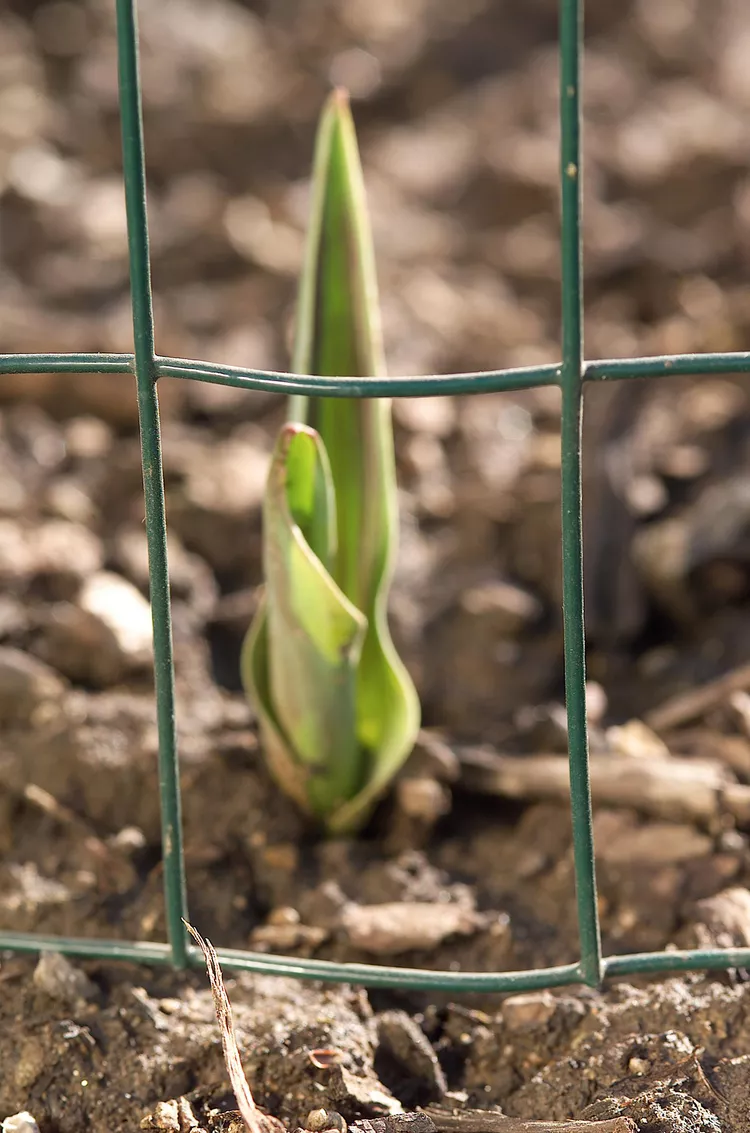
Losing produce and flower bulbs to rodent damage is always frustrating, but you can shelter plants from chipmunks with a bit of 1/4-inch hardware cloth. Simply use hardware cloth to line the base of raised beds, lightly bury the hardware cloth beneath the soil line to shield plant roots, or use hardware cloth to cover newly planted seeds. If you’re growing bulbs and dahlia tubers, consider sowing them inside premade bulb cages or make your own DIY cages by loosely wrapping your bulbs in chicken wire or hardware cloth.
Install Chipmunk Baffles
Chipmunks are more likely to hang around gardens with bird feeders, but if you love watching songbirds, you may not be ready to put away your feeders just yet. If this is the case, consider investing in a rodent-proof bird feeder and mount your feeder on a metal pole with a squirrel baffle to keep chipmunks from climbing up. Chipmunks are also excellent jumpers, so you’ll get even better results if you install feeders away from trees and overhanging branches.
Try Natural Repellants
Gardeners can find a long list of repellant products to use against chipmunks, but some of these products work better than others. Generally speaking, you’ll get the best results out of natural repellants if you use several repellants at the same time and combine them with the exclusion methods listed above. You may also want to occasionally alternate products to keep chipmunks from getting used to particular sprays, powders, decoys, and other deterrents.
Some gardeners have success using ultrasonic repellants or owl decoys for chipmunk control. Other gardeners have better luck with blood meal or peppermint oil, predator urine, garlic oil, or cayenne pepper sprays. If you choose to use spray products, remember to apply them regularly throughout the season and especially after heavy rain.
Use a Live Trap
Controlling chipmunks with deterrents and prevention is always a better option than trapping. Not only is trapping relatively ineffective, but new chipmunks will move right into your garden after you remove the first bunch of chipmunks. Trapping is also illegal in some areas and chipmunks often don’t survive relocation.
If you’re determined to remove chipmunks from your property, it’s best to call a professional pest control company to do the work for you. If you decide to relocate chipmunks on your own, always follow local rules and regulations and don’t use poisoned baits, which can harm non-target animals like owls and pets. Select an appropriately sized live trap, place the trap in an area where chipmunks are active, add peanut butter as bait, check the trap often to ensure chipmunks don’t stay caged for long, handle traps with sturdy gloves, and release chipmunks at least 5 miles from human habitation.
New