
Create a bold, dramatic landscape with these tips for designing with colorful flowers and foliage.
Create Repetition
Create drama and interest in your garden by planting spots of your favorite color. The recurring color will draw the eye through your landscape and give your yard a cohesive feel. Here, for example, clumps of bright red salvia pull attention from the front of the garden to the back.
Change with the Seasons
Add excitement to your yard by adjusting the color scheme from season to season. It's easy with a little planning—just pay attention to your plants' flowering times. For example, grow bulbs that bloom in pink, purple, or blue, and perennials in the spring. Add summery red and pink blossoms for the hot months, then mums with trees and shrubs in golden, orange, or red tones for autumn.
Design for Your Timeline
Consider when you spend the most time in your yard as you choose your colors. If you're mostly outside in the evenings, go for plants with silvery foliage or white flowers. They shimmer and shine as the sun goes down, whereas other shades tend to fade. If you're in your garden mainly in the mornings, select bright flowers and foliage to give your day a cheery start.
Employ Bright Colors
Shades of red, orange, and yellow usually catch your eye the fastest, so use plants and art in these colors as focal points. These bold, bright hues are also perfect for directing attention away from objects you'd prefer not to view. For example, splash some orange in your yard to keep garden guests from noticing your neighbor's garbage cans or recycling bin.
Plant in Layers
Think of your garden like a layer cake, and create bands of color that run horizontally. Plantings in this garden are wonderful for adding depth to its design. Lacecap hydrangeas create a soft pink and blue strip. Below is a swath of oranges and yellows, and a lovely band of lavender provides a base.
Pick a Color Palette
One easy way to create lots of interest is by picking a color scheme. Select a few shades that blend well and create the look you crave. By limiting your color choices, each has more impact and relates beautifully to everything around it.
Create a Canvas
Understated walls are perfect for showcasing art. So use neutral green, gray, or brown backgrounds to highlight plants or colors in your yard. Here, for example, a beige stucco wall makes beautiful climbing roses and honeysuckle shine.
Plant en Masse
Large groups of a single hue make more of an impact than smaller clusters, so coordinate your plants to create big drifts of color. This trick is effective both when you use a single variety of plant and when you grow different plants in the same shade that will bloom at the same time. Try a widening swath of reds and blues to create a dramatic visual crescendo across the landscape.
Play Off Containers
Color play doesn't have to be limited to flowers. Add interest in your garden with statement-making containers. A bold blue ceramic pot, for example, can make just as much impact as the blooms it holds.
Add Colorful Structures
Landscape structures, such as fences, pergolas, and garden sheds can add a dose of visual thrill to your yard, especially if you live in a snowy winter climate. This cool blue fence ties in with a planting of perennial geranium and purple thalia in the water garden, and a red door and lime-green bench give the landscape some added pizzazz.
Think in Small Sections
Deciding how to plant your entire garden can be daunting. But make it easier by approaching color choices the way you would a bouquet of flowers. Once you come up with a combination you like, select a few more flowers in those shades and plant them together around the yard.
Take It to the Next Level
Select trees with colorful foliage (such as tricolor beech or golden locust, shown here) or flowers to extend your garden's visual appeal into the air. For the biggest impact, use trees that echo one of the tones in the plantings below them.
Brighten Shady Spots
Chartreuse is an ideal color for creating drama in shady spots. Plants such as Japanese forest grass, 'Gold Heart' bleeding heart, creeping Jenny, or the variegated bamboo shown here, act like a ray of sunshine. Also consider evergreens with golden foliage to enliven areas that experience a lot of gray skies in winter.
Play Up Purple
Golden leaves grab the eye—but so do purple ones. And plants with violet, maroon, or plum leaves (including 'Diabolo' ninebark, many Japanese maples, and many weigelas) are especially popular. The rich coloring stands out in the garden and blends well with a wide variety of shades, including chartreuse.
Go Monochrome
The easiest way to make a statement with color is to pick one hue. Create depth by using different shades—for example, explore the range of purples. And don't forget to tie your design together by adding plants that have your preferred color in their foliage.
Make Sense of Space
Soft colors, such as white and pastel pinks, purples, and blues, can make your garden feel larger, since they seem as though they're farther away than they are. Maximize the effect by planting bolder shades of red, orange, or yellow up close.
Create Contrasts
White stands out most next to black—so use that same idea in garden design by combining plants with light-colored flowers or foliage with darker ones. A purple-leafed Phormium makes a strong background for a scented white geranium, or the brightness of a pristine rose bloom.
Attract Attention
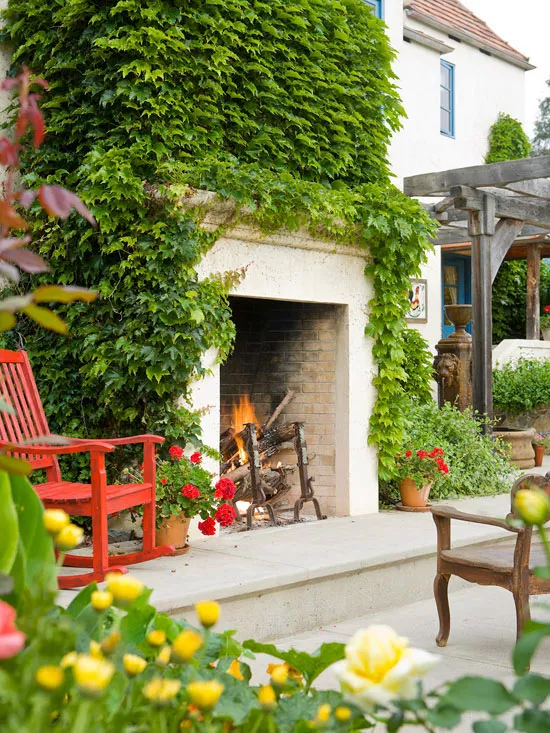
Bold colors stand on their own, so shades of red, orange, and yellow are perfect for drawing attention to your favorite landscape element. Try planting red bee balm next to your front door, for example, or try bright furniture next to a garden hearth. A crimson rocker acts as a literal red flag to draw the eye toward an inviting blaze.