
Planting, growing, and nurturing flowers, shrubs, trees, and other greenery is extremely rewarding when your selections thrive. On the flip side, when your outdoor plants die, it's common to experience frustration and disappointment, regardless of your status as a novice, intermediate, or expert gardener. Some outdoor plants, however, are easy to grow in almost any condition, and this list of perennials, annuals, herbs, and more are resilient, hardy selections in most USDA zones.
Geranium
Geraniums are many gardeners' go-to annual. They come in a broad range of colors and hold up in the heat of summer, even with little water. Plant geraniums where they'll get full sun for most of the day, and deadhead spent flowers to keep their blooms growing strong.
Petunia
Petunias bloom from spring to frost in a seemingly limitless range of colors, including yellow, green, pink, purple, and more. Almost all varieties of this annual are self-cleaning (no deadheading required), resulting in effortless color throughout the garden. For optimal performance, water and fertilize regularly.
Sedum
A versatile group of outdoor plants, sedums range from short groundcovers to midsize clumping plants. The creeping types grow in rock gardens and burrow through cracks in walls, and most varieties are good for planters, too. Once these perennials are planted, they require little care—water sedums if they look dry and cut back plants after flowering to maintain their shape.
Hosta
Hostas are one of the easiest outdoor plants to grow, as long as deer and slugs don't frequent your garden (natural repellents are available if you have these unwelcome visitors but love hostas). This perennial tolerates a spectrum of light conditions from dappled sun to part sun. Coloration includes pure green, yellow-green variegation, blue-gray, and more.
Coral Bells
Coral bells are easy to grow, and the plant's foliage brings gorgeous color to the garden. Though these perennial outdoor plants thrive in full sun to shade, lime green varieties benefit from being planted in the shade. Pollinators also love the tiny flowers.
Weigela
Weigela is a maintenance-free shrub loved by gardeners, hummingbirds, and butterflies for its abundant bell-shaped flowers. Several varieties, including 'Wine & Roses' and the 'Sonic Bloom' collections, have rebloom abilities. This outdoor plant thrives in full or partial sun and blooms in spring and summer.
Mint
Mint is a rugged perennial herb ideal for the beginner gardener. Plant it where you won't mind if it spreads, or keep it from rambling by growing it in a container. If you're planting mint for culinary purposes, consider the type: Peppermint is tasty when steeped in tea, but spearmint is better in a summer mojito.
Verbena
Verbena is a plant that stuns with height and color all summer long. Clusters of verbena blooms typically come in white, pink, or purple; they make a great accent plant. The 'Imagination,' a perennial variety, is particularly hardy—it survives in the hottest, driest conditions.
Sweet Potato Vine
Sweet potato vine is one of the best outdoor plants to grow in warm summer weather. This extremely resilient trailing annual vine is happy in sunny or shady conditions and comes in purple and lime-tinged green colors. For intense color, look for the variety 'Blackie,' which has deep purple foliage.
Coleus
Another outdoor plant that thrives in shady conditions is coleus. These annuals are known for their showy foliage, which comes in plain green and wild reds. Overwinter coleus by bringing it indoors, enjoying the annual as a colorful houseplant during cold months.
Scaevola
This durable Australian native withstands heat without wilting, making it one of the best outdoor plants for tropical climates. Scaevola's pretty blue-purple, fan-shaped annual flowers thrive in hanging baskets or window boxes. Scaevola also adds color to a yard as a groundcover planting, and it's drought-tolerant.
Daylily
The delicate beauty of daylilies contradicts their robust nature—they're so hardy that you'll often find them growing in ditches or fields. Typically after a single planting, these perennials return for years to come. There are dozens of cultivars with different colors, patterns, and heights. Select a few for a pretty variety within your garden.
Pentas
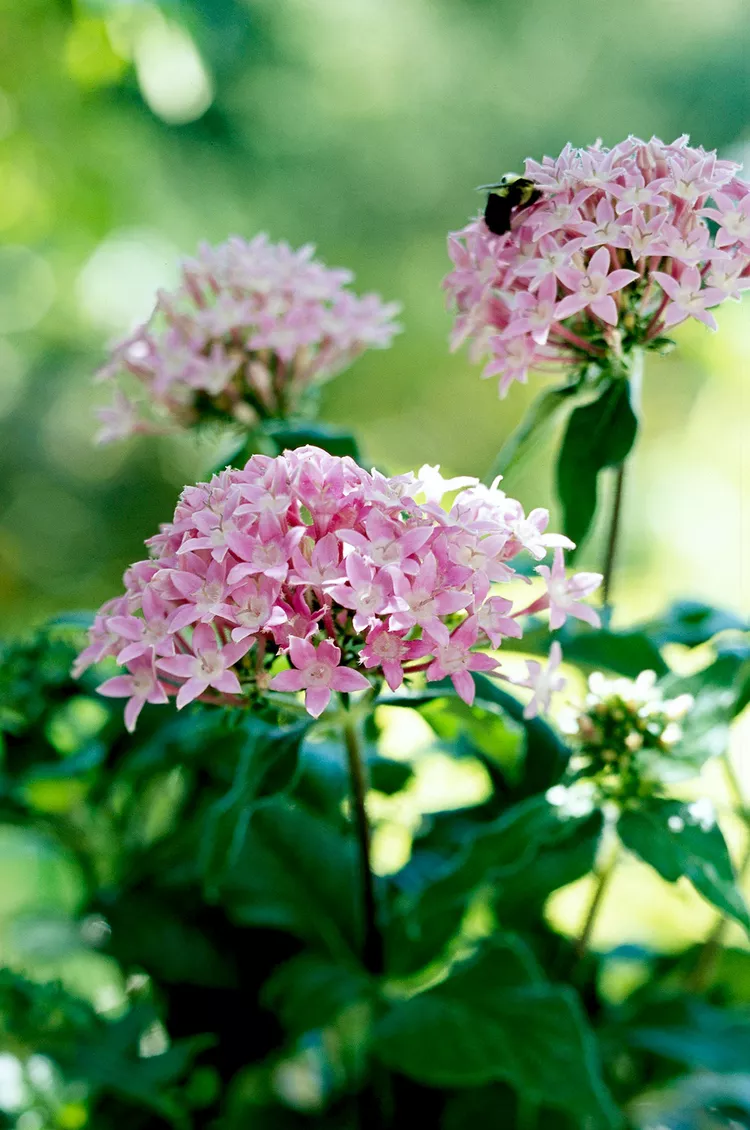
If you're looking for outdoor plants to attract butterflies, choose pentas. The clusters of star-shaped blooms come in shades of pink, red, and white. Plant this annual in your garden or containers—they'll thrive either way.
Oakleaf Hydrangea
Oakleaf hydrangea is a hardy shrub with cone-shaped clusters of delicate white flowers. The blooms don't stay white all year, though—they shift to shades of pink, beige, and red as the growing season progresses. The shrub is toxic to humans and pets, so plant it in a spot away from children and furry friends.
Dianthus
Dianthus is a signature cottage garden plant. It thrives in cool temperatures, making spring and fall its most showy seasons. The darling pink flowers have a fringed look that boasts beauty in the garden and bouquets, but beware. While the flower petals are edible if grown organically, the leaves of dianthus are toxic to people and pets.
Coreopsis
Don't let the sunny flowers of coreopsis fool you—this plant is as tough as it is low-maintenance. It loves ample full sun for maximum blooms, though it tolerates light shade too. Coreopsis is a fantastic choice for beds, borders, and containers with well-draining soil.
Butterfly Weed
Butterfly weed is a type of milkweed that attracts a variety of pollinators, especially monarch butterflies. The plant grows well in prairies and other environments with gravelly or sandy soil. From late spring to late summer, you can expect delicate clusters of yellow, orange, and red blooms—but do note butterfly weed is mildly toxic to humans.
Salvia
Gardeners looking for easy-to-grow plants with long-lasting blooms will adore salvia. The herbaceous plant is a member of the mint family with nearly 1,000 species spanning annuals, biennials, and perennials. Most varieties are drought-tolerant and deer-resistant, and their abundance of nectar attracts charming pollinators like hummingbirds.
Ajuga
Ajuga is a captivating foliage plant, and come early summer, it delights with blooms in blue, purple, pink, and white hues. Also known as carpetweed and bugleweed, ajuga spreads vigorously for dense groundcover in shady areas. The hardy plant is a perennial, which makes it even more appealing to gardeners who prefer low-maintenance selections.
Caladium
Caladium is a great plant for shady backyards, especially for gardeners who love variegated foliage. With red, pink, and white varieties, the annual adds plenty of visual interest to the landscape while effortlessly coordinating with the blooms of other plants in the garden. Beautiful as it is, do be aware that caladium is toxic to humans and pets.
Persian Shield
Persian shield is a leafy plant with bold purple, black, and evergreen variegated foliage. The metallic Myanmar native isn't fussy, growing well in both northern and southern climates. It's often grown as a heat-tolerant annual but can be overwintered indoors as well.
Agave
Agave is an excellent choice for gardeners in desert climates or with drought-prone backyards. There are many varieties of the low-water succulent, and quite a few offer variegated foliage. Some even boast silver foliage for a unique glowing effect within the landscape.
Sea Thrift
Low-growing sea thrift is a charming addition to any garden, but especially those with sandy soil. The perennial handles sea spray and ocean gusts well, and its pink, red, and white blooms look cheerful amongst its grassy foliage. Sea thrift is also known as sea pink and armeria, and the plant makes gorgeous cut flower arrangements too.
Lobelia
Lobelia is a dainty delight in shady backyards. With delicate purple-blue flowers, the plant adds a beautiful pop of color to any garden plot or planter. It does not like direct sunlight, so be sure to site it in a cool and shaded spot in your yard.
Hakone Grass
Hakone grass, also known as Japanese forest grass, is a whimsical ornamental grass with a bright chartreuse color. The shaggy, round plants love moist, shady conditions and are quite tough despite their delicate-looking leaves. Come fall, the arching fronds turn a coppery color for unique visual interest for nearly the entire year.