
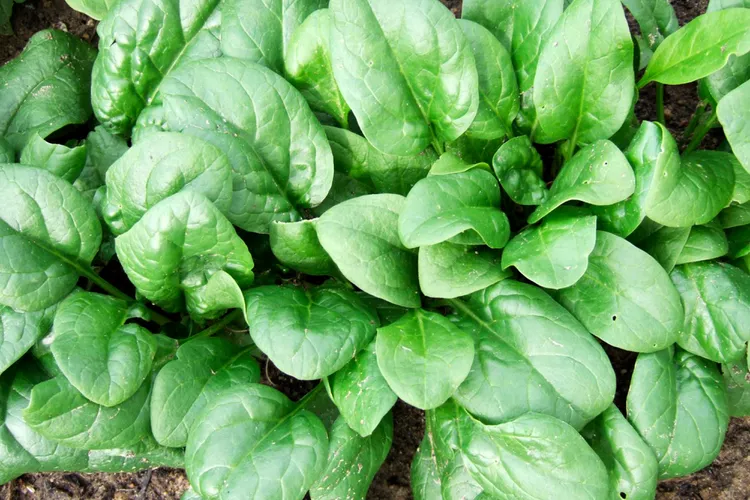
Spinach plants can be a challenge to grow in some vegetable gardens because they bolt quickly in hot weather. But if you time planting correctly and learn how to harvest spinach the right way, you can pick the tastiest crop of baby greens, mature spinach leaves, or spinach microgreens in spring, autumn, and possibly winter too. Find out how to extend your spinach harvest and gather the tastiest leaves right from your garden using the tips in this guide.
When to Harvest Spinach
When spinach plants will be ready to harvest varies depending on whether you’re growing spinach for microgreens or larger leaves.
- Spinach microgreens grow quickly and they’re usually ready to pick about 7 to 14 days after
sowing, or when the sprouts have developed their first seed leaves. Because they’re grown indoors, microgreens can be a great option if you want to enjoy spinach in winter. - Baby spinach leaves have a more delicate texture than mature leaves and they can be harvested about 20 to 35 days after planting, or when the leaves reach a usable size. Baby leaves are typically picked little by little as needed for recipes.
- Mature spinach leaves usually have a more intense flavor than baby leaves and they’re harvested about 45 to 50 days after planting. Mature leaves can be harvested in either small quantities for cooking or larger quantities for freezing or drying.
Because it’s so cold hardy, spinach is usually planted in spring and harvested before summer arrives. Once the heat kicks in and days begin to lengthen, spinach plants start to bolt and their flavor turns bitter. However, you can extend your spinach harvest by planting spinach seeds in spring and planting a second crop of spinach in August for an autumn harvest. You can also sow cold hardy spinach varieties like ‘Winter Bloomsdale’ and potentially harvest outdoor spinach in winter too.
Spinach plants can handle a light frost, but they won’t survive a hard freeze without winter protection. To avoid wasting those tasty spinach greens, harvest unprotected plants before winter arrives and pick spinach in summer before temperatures soar and plants start to bolt. Most spinach plants will bolt when temperatures are above 75°F and plants receive 14 hours or more of sunlight per day.
Tips for Harvesting Spinach
Young spinach plants are typically harvested as cut-and-come-again greens, while mature spinach can be harvested little by little or all at once. Just keep in mind that spinach doesn’t last long in the fridge, so it’s best to harvest only what you can use right away.
If you just want a bit of spinach for cooking, harvest the outer leaves around these edible plants by clipping the leaves off the main plant with scissors or pinching them off with your fingers. Regularly harvesting spinach in this manner helps to prevent bolting and yellow leaves and it encourages spinach to produce new growth from the center of the plant. After harvesting, handle spinach leaves as gently as possible and bring them indoors as soon as you can to avoid damage and wilting.
When gathering baby spinach, it’s best to limit your harvest and not pick more than a fourth of the plant’s leaves in one go. This ensures that your plant will have enough energy to continue producing leaves. However, mature spinach plants can be harvested more aggressively.
Once your spinach plants are established, you can repeatedly harvest spinach leaves by picking a third of the plant’s leaves and taking another large harvest of leaves a few days later. Or you can harvest the entire plant at once by holding the leaves in one hand and cutting them off with a serrated knife about 1 to 2 inches above the soil line. After a large harvest of this sort, you can usually take a second, partial harvest of spinach leaves about 10 to 14 days later before the entire plant bolts.
Hot weather and long days will cause all spinach plants to bolt eventually, but you can slow down this process by watering often, growing spinach in light shade, and pinching away flower buds as soon as they appear. When spinach leaves start to elongate and the plant sends up a sturdy central stem, you’ll know your plant is about to bolt. Harvest the entire spinach plant when this occurs so the leaves don’t turn bitter.
How to Store Spinach
Once you learn how to harvest spinach from your garden, it's time to think about storage. First, sort through the leaves and toss any damaged or discolored spinach. Handle leaves with care to avoid bruising them and only wash spinach immediately before use. Excess moisture can cause spinach to turn slimy quickly.
Fresh spinach can be stored in the fridge for about 1 to 2 weeks by wrapping the leaves loosely in a dry paper towel and storing them inside a plastic baggie or sturdy container. For longer term storage, spinach leaves can be dried with a food dehydrator or they can be frozen and stored in the freezer for about a year. To preserve the color and texture of frozen spinach, blanch spinach leaves for 2 minutes, dry them with a salad spinner, and then flash freeze them on a baking sheet before storing them in an airtight freezer container.