
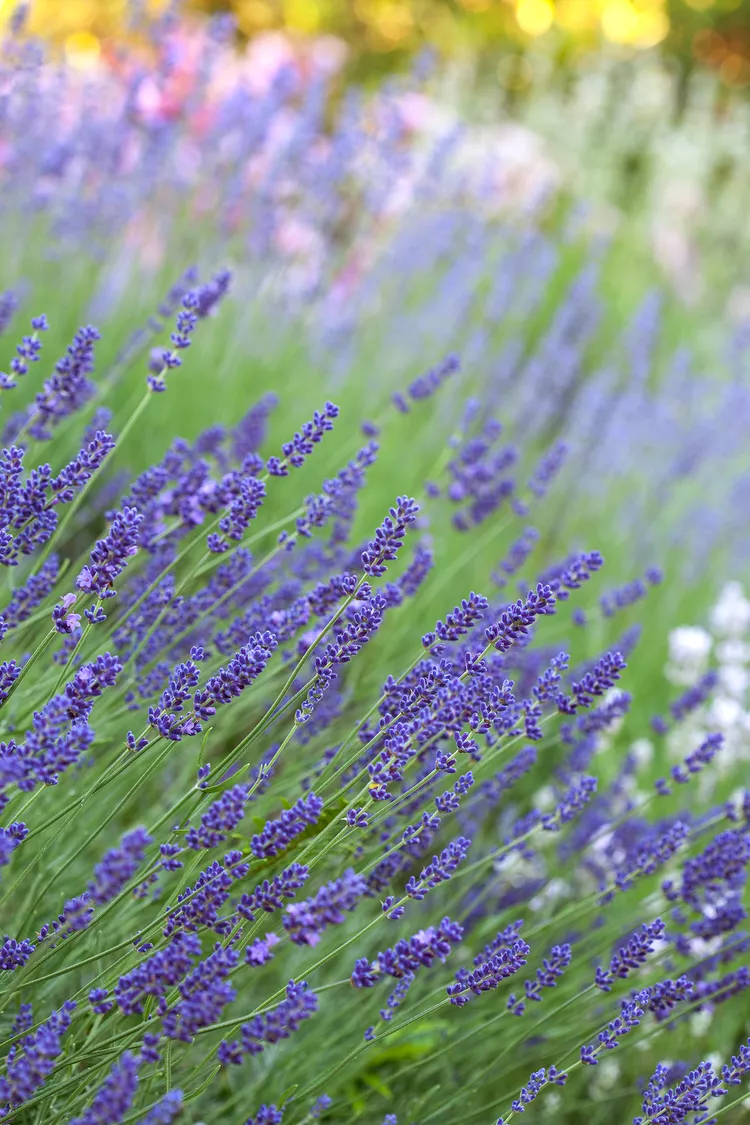
You've carefully chosen the best lavender varieties to plant for a fragrant garden, and maybe you've even tried growing lavender indoors to have year-round access to its beautiful blooms. Now it's time to figure out how to harvest lavender from your garden at the best time. You may want to dry lavender to enjoy the herb's flavor in your favorite recipes and its beauty and fragrance in floral arrangements and crafts. Use this guide to harvest and dry lavender for the best flower color and scent.
When to Harvest Lavender
Time your lavender harvest based on how you plan to use the herb. If you're going to make dried bundles of lavender, harvest it early in the season when the first blossoms open on the plant. When clean-looking buds are needed for cooking or craft projects, harvest it before the blossoms open and turn brown.
To harvest lavender for tea, pick the flowers before they fully open. When you want to make a fresh bouquet of lavender, harvest the stems when about half the blooms are open—additional buds will bloom after the stems are cut. Wait until most of the blossoms have opened to harvest lavender for essential oil.
Harvest lavender on a sunny day after the morning dew has dried. No part of the plant should be exposed to rain within 24 hours before being picked. Harvesting lavender when it is damp increases the chances for fungi to rot the picked stems, so it's crucial that harvesting begins only when the plant is completely dry.
How to Harvest Lavender for Cooking
For making lavender-infused cookies, cake, lemonade, or other treats, English lavender (Lavandula angustifolia) is the best lavender to grow for all of your culinary purposes. Culinary varieties of L. angustifolia such as “Hidcote Blue’, ‘Buena Vista’, ‘Melissa’, ‘Betty’s Blue’, ‘Folgate’, ‘Royal Velvet’, and ‘Munstead’ are low in camphor, are commercially grown without chemicals, and processed in a sanitary way that is safe to eat. Harvest lavender for cooking just before the flowers open, and make sure to dry the buds before you use them. Disregard the leaves because they have a somewhat medicinal fragrance, and they’re not recommended for cooking.
Tips for How to Harvest Lavender
- Use sharp, clean tools to harvest lavender. It's important to harvest lavender with sharp, clean tools to enable the plant to heal quickly. The ideal tool for harvesting lavender is a curved, serrated blade with a handle. But garden pruners or large scissors will also work.
- Cut two-thirds of the plant's height. Harvest lavender so it grows back by pruning no more than two-thirds of the plant's height or cutting to just above the bottom two sets of leaves on each green stem. Avoid cutting into the woody part of the plant.
- Bundle lavender as you harvest. Put rubber bands around your wrist to make it easy to bundle each handful of cut lavender as you harvest. Gather about 100 stems for bundling and secure them snugly by wrapping a rubber band around them a couple of inches from the cut ends.
- Keep harvested lavender out of the sun. Place cut lavender stems into a shady spot to preserve as much flower color and fragrant oil as possible.
How to Dry Lavender
The best way to dry lavender is to hang bundles from a chain or rope, upside down in a dark, warm, dry, and airy room. This drying method preserves the color of the flower buds and helps prevent mold from growing on the lavender. It’s important to keep air circulating when drying lavender. A simple fan can help circulate air in drying spaces such as a dark closet or basement.
Depending on the drying conditions, it can take up to six weeks for the bundles to dry. You’ll know when a stem is fully dried if it breaks when it’s bent.
Lavender Drying Don'ts: Avoid drying lavender plants in a garage if they will be exposed to engine or chemical fumes. Oven drying is not recommended because the oven's heat releases essential oil from the flower buds.
How to Harvest Lavender Buds
To harvest dried lavender buds for sachets, hold flower stalks over a large bowl and bump the flower heads against the side of the bowl. Scrape stubborn buds from the stalks with your fingers to remove them.
Pour the lavender buds into a strainer to get the cleanest buds for cooking and crafting. Gently shake the strainer to pick out pieces of stem or any other debris too big to slip through the strainer’s holes.
Dried lavender buds to be used in food will keep the best in airtight glass containers. Loose buds used for crafts can be stored in resealable bags.
Tips for Growing Lavender
You can grow lavender outdoors in your garden or indoors in a pot for year-round use. The most important thing when growing lavender is to make sure the plants get plenty of sunshine, or if you have indoor plants, use a grow light to give them what they need. You can propagate lavender to add more plants to your collection, but be sure your plants aren't copyright-protected before you do. If you grow roses, lavender makes a good companion plant since it attracts pollinators that roses need to visit. Lavender's scent has calming qualities, so cut lavender and keep it by your bed to help you relax and sleep better.