
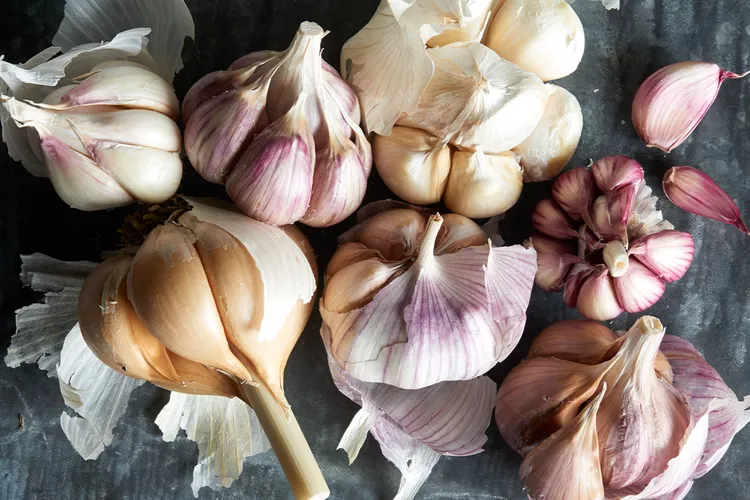
Can you plant garlic in the spring? The answer is yes! Although the ideal time for planting garlic is in the fall, you can get those cloves in the ground early in spring and still get a harvest this year. However, there are a few tips and techniques that can increase your success rate. Use this guide to select the best types of garlic for spring planting, cold treat your cloves for proper growth, and care for your garlic plants.
Cold Treating Spring Garlic
Some plants, such as garlic, apple trees, tulips, and daffodils, need a chilling period to grow and develop properly. Garlic is typically planted in fall to take advantage of natural cold conditions for vernalization and get a jump start on spring growth. Vernalization just means a period of cold exposure the plant needs to trigger the production of flowers, bulbs, and other specialized growth. Garlic planted in the fall chills naturally and begins to root, setting up a rapid flush of growth in spring.
Without the vernalization period, garlic cloves will grow but won't separate into bulbs. You may end up with one giant clove or only some tasty green foliage above the ground. If you want to plant garlic in spring and harvest bulbs, you must first vernalize the garlic cloves in one of two ways:
- Chill in the refrigerator. Refrigerate hardneck garlic for four to eight weeks—the longer, the better—for spring planting. Softneck varieties need less chilling but benefit from three to four weeks of cold. Check often for mold or sprouting. If they start to sprout, put them in the ground anyway.
- Plant early. Take advantage of a late winter thaw or an early melt to get those cloves in the ground. Garlic can take the cold, so don’t worry that your neighbors will think you’re strange for digging in the garden next to a snow bank. Mulch over the top and let them chill out.
Sourcing Garlic for Spring Planting
Most vendors ship garlic for fall planting, so you may have to look harder to find garlic for spring. While farmers’ market sources won’t be available, some online vendors may still have garlic or hold some back specifically for spring planting. A few nurseries take orders for softneck garlic in time for spring planting, so call and ask. You may be able to buy cloves that have been vernalized by the vendor, saving you the effort. If you need to order garlic online, do it as early as possible to give you time to plant it or vernalize it in the fridge.
Avoid planting garlic purchased from the grocery store. This garlic has often been treated to inhibit sprouting. Store-bought garlic is also not certified to be disease-free and could introduce problems into your soil.
Plant Garlic in Spring in Containers
For those who live in a cold climate, your ground may remain frozen and snow-covered well into spring, which makes it difficult to get your garlic planted. Rather than waiting until the weather warms up enough, another option is to plant garlic in deep containers and set them outside to vernalize.
Choose containers that hold at least 8 inches of potting mix, are wide enough to plant several cloves, and have drainage holes. You may need to protect these pots from squirrels that may dig in them.
If you need more space, set up a temporary raised bed on top of the frozen soil. Frame it with whatever you have lying around, fill it with raised bed soil and compost, and plant directly in it. After the garlic is harvested in late summer, you can dismantle it and use the soil for another purpose.
Garlic Care Tips
- Don’t forget to water. Garlic needs water, and the 1-inch–per-week rule works well. Mulch heavily to keep down weeds and help with soil moisture. Stick your finger into the soil an inch. If it feels dry, it’s time to water. Garlic in containers needs to be watered more frequently.
- Provide nutrients. Garlic grows best in rich, loamy soil. Amend the garlic bed or container with compost or aged manure before planting. After your garlic has sprouted, side-dress with organic fertilizer according to the package directions. Stop fertilizing after you remove the scapes.
- Trim scapes. Hardneck varieties grow scapes that curl over like a cartoon pig’s tail. Eventually, they flower and try to make seeds, which diverts energy from developing cloves. Trim off the scapes when they start to curl. If you wait longer, they become tough and woody. Fresh scapes are garlicky and delicious and can be worked into any recipe that uses garlic.
- Keep the weeds down. Garlic doesn’t compete well with weeds; a weedy garlic patch will yield smaller cloves. Keep a thick layer of mulch on the bed and pull the few weeds that make it through.