
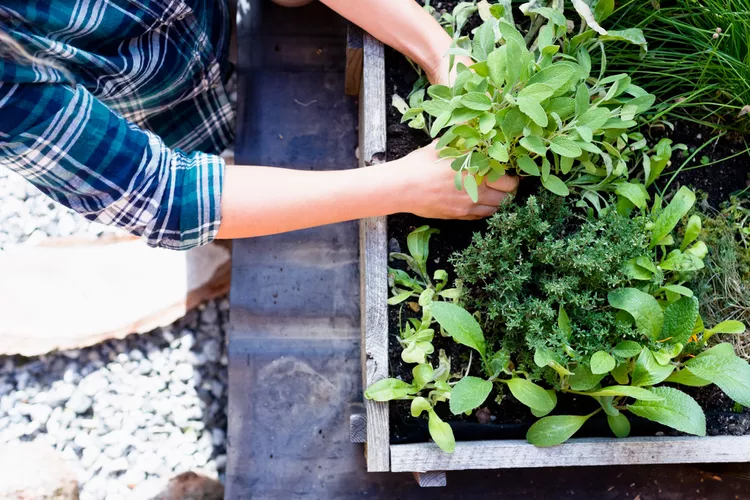
Planting herbs to grow is a simple way to add beauty to your garden, enhance the flavor of food, bring fragrance to your home, and even enhance your well-being. Most herbs grow as easily in containers as they do in the ground. When you know the best herbs to grow together, it will help your garden thrive. Once you understand the combinations that get the best results and the conditions they need, you'll be on your way to creating an herb garden that will bring beauty to your yard and exciting flavors to your meals.
What Is an Herb?
When it comes to herbs, you probably think of plants used to add flavor to your favorite meals. However, the category of herbs is more extensive than that. Herbs are any plant used for food, well-being, flavoring, or scent—a broad definition that includes a lot of plants. There are about 100 kinds of herbs and flowers in the National Library of Medicine herb garden.
Here's a breakdown of the most common and best herbs to grow in your garden.
Types of Herbs to Grow and Their Uses
Before you plant herbs, you need to know about the three main types: annuals, biennials, and perennials. The difference between these herb types is the plant's life cycle. Once you know the life spans of herbs, you can decide how and which herbs to grow and figure out whether they need a permanent place in your garden or a temporary location.
Annual Herbs
Annual herbs typically complete their life cycle within a single year. Botanically speaking, that means they grow from seed, bloom, set seeds of their own, and die in one growing season. In some cases, a plant may actually be a perennial in warmer regions but isn't hardy in colder ones, so it is usually treated as an annual. Some of the most common annual herbs to grow are:
- Basil
- Borage
- Chamomile
- Chervil
- Cilantro/Coriander
- Dill
- Fennel
- Lemon Verbena
- Marjoram
- Stevia
Biennial Herbs
Biennial herbs such as lovage and parsley germinate and grow vegetatively in the first season, go dormant over winter in cold areas, and then mature and flower in the second growing season before dying. These herbs have the best flavor the first year that they are seeded.
Perennial Herbs
Perennial herbs don't need to be replanted each year. Once perennial herbs are established, they come back every growing season and only die down in the winter. Well-drained soil is essential with perennial herbs. If you plan to grow herbs in poorly drained areas, consider building raised beds. Some of the most common perennial herbs are:
Best Herbs to Grow in Full Sun
The best herbs to grow in full sun need direct, unfiltered sunlight for at least 6 hours a day. Plant the following in full sun for the most flavorful, beneficial, and fragrant herbs.
- Basil
- Chives
- Cilantro/Coriander
- Comfrey
- Dill
- Fennel
- Lavender
- Oregano
- Parsley
- Rosemary
- Sage
- Salad Burnet
Best Herbs to Grow in Part Shade
The best herbs to grow in part shade can take full sun during the morning when the sun isn't as intense but prefer to be shaded from direct afternoon sun. Each of these shade-loving plants requires partial shade growing conditions.
- Angelica
- Bee Balm
- Catnip
- Chervil
- Hyssop
- Lemon Balm
- Lovage
- Mint
- Sweet Cicely
- Sweet Violet
Best Herbs to Grow Together in a Container
Most herbs make excellent container garden plants. The beauty of growing herbs in containers is that you can easily move your plants around without disturbing them. And for those who garden on a balcony or patio, planting pots of herbs is convenient and the answer to gardening in a small space. Generally, the best herbs to grow in one container need the same amount of light, water, and soil nutrition.
Growing Herbs in a Strawberry Planter
Use a strawberry jar to plant cascading herbs such as creeping thyme, pennyroyal, marjoram, oregano, and creeping rosemary in the individual pockets. Plant small upright-growing herbs to grow on the top, such as parsley, chives, short varieties of basil, or savory. Your plants will thrive in these planters because of the excellent drainage that the multiple pockets provide.
Best Herbs to Grow Together Indoors
Planting herbs to grow indoors lets you enjoy fresh-picked herbs year-round. All it takes is transplanting the herbs from the garden to pots and then moving them indoors in fall before freezing weather arrives. The following herbs are great herbs for growing indoors:
- Basil
- Borage
- Calendula
- Chervil
- Chives
- Ginger
- Hyssop
- Lemon Balm
- Lemon Verbena
- Lemongrass
- Marjoram
- Mint
- Oregano
- Parsley
- Rosemary
- Sage
- Scented Geranium
- Sweet Bay
- Thyme
What Herbs Not to Grow Together
Some herbs are considered invasive or can grow quickly enough to crowd other plants and even take over a garden with their underground runners. For example, tansy, catnip, comfrey, horseradish, lemon balm, hops, artemisia, and mint should not be planted with other herbs because they aggressively spread unless you control them. Growing these herbs individually in containers is best to keep them from spreading.
To add rambunctious herbs such as apple mint, spearmint, and chocolate mint directly to your garden, first submerge a 12-inch pot in the ground, with about an inch of rim above the soil surface, to discourage running stems. Then, plant your herb in that pot. Make sure to trim off any stems that start growing over the barrier, or they could root into the surrounding soil. This technique allows you to enjoy various herb flavors without worrying about aggressive plants taking over your garden.