
When a plant in your garden is slow to show signs of new growth in spring, you may be wondering if it's still alive or if you should remove it. While some plants unfurl new leaves during the chilly days of early spring, others don’t show signs of life for weeks or months. If you aren’t sure whether a plant is dead or still dormant after the winter, you run the risk of yanking one out when it is just taking its time to burst into life when the conditions are right. Here are 5 tips to help you determine if a plant is still dormant or ready for the compost pile.
1. Look for Dead Twigs and Brittle Branches
Dead twigs and branches are weak, easy to break, and have a hollow sound when you tap them. Brittle branches are a sign that a portion of the plant is no longer filled with life-giving moisture. Break off a small portion of a twig in question. Does it break easily, separating from the plant with a quick flick of your wrist? If it does, that portion of the plant is dead. It is likely alive if the twig bends slightly without breaking and doesn’t separate easily from the branch.
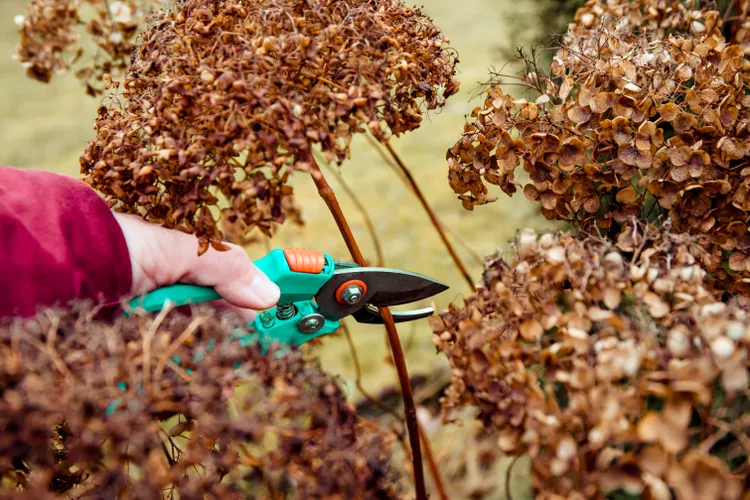
Even if the whole plant is made up of dry, dead stems, all hope may not be lost. Before taking drastic action and digging up a plant with dead stems, consider this: On some plants, even if all the stems appear dead, the plant’s root system might be alive and well. New stems will emerge from the root system when conditions are right for growth. Shrubs like bluebeard and hydrangea can die back to ground level and develop into beautiful plants the following summer. Trees, on the other hand, are less likely to regrow from their roots once all their above-ground growth has died.
2. Check Under the Bark for Dormancy
Using your fingernail or a clean pair of pruners, gently scratch the surface of a twig to reveal the layer of tissue right below the outer covering. If the tissue is a shade of green, the twig is alive. If the tissue is white or brown, the twig is likely dead.
A dead twig doesn’t mean that the entire plant is dead. Some branches might have been killed due to winter weather or disease, but the rest of the plant might be alive. When only a portion of the plant exhibits dead twigs, prune out the dead material and watch for regrowth.
3. Know Your Plant’s Dormancy Cycle
Each plant species has a unique growth timeline. Adverse growing conditions, microclimates, and a changing climate affect growing patterns, sometimes delaying emergence from dormancy for weeks. Learn about your plants’ growth patterns to accurately gauge when they are actively growing and when they are usually dormant.
Some plants are routinely late to green up in spring or summer to show the first signs of growth, including:
- Trees: Elm, hackberry, hickory, locust, mulberry, oak, sassafras, sycamore, and walnut.
- Shrubs: Beautyberry, butterfly bush, lavender, and smoke tree.
- Perennials: Balloon flower, black-eyed Susan, butterfly weed, gaura, hardy hibiscus, Joe-Pye weed, Russian sage, and swamp milkweed.
4. Don't Worry About Ornamental Grasses
Perennial ornamental grasses, such as miscanthus, switchgrass, and blue fescue, take their sweet time emerging from dormancy. When lawn grass is green and thriving in spring, ornamental grasses are often still dormant. Expect ornamental grasses to send up new shoots by the time maple trees are fully leafed out.
5. Evergreens Should Still Be Green
Healthy evergreens live up to their name; they remain green year-round. If your spruce, arborvitae, or boxwood is brown, brittle, and dropping foliage, it is likely dead. The probable suspect is winter injury caused by drying winds or extreme temperatures. If a portion of the plant is still alive, remove the dead branches and give the plant time to fill in. Depending on the species and extent of injury, it might regrow enough to obscure the damaged area.
When in Doubt, Give It Time
If you're still not sure whether your plant is dead or dormant, simply wait. Time will tell. Recheck the plant in a couple of weeks. Dead woody plants will reveal brittle, light-weight twigs in time. Perennial plants will emerge by midsummer if they are still alive. A few weeks of waiting for a plant to reveal more clues is a small price to pay to avoid digging up a live plant that is enjoying an extended dormancy.