
Mowing, watering, weeding, fertilization, and pest control are common yard maintenance practices, but aeration is a basic lawn care step many people skip. Although the job can be tedious, it's not difficult, and the benefits of aeration—green, healthy grass—are worth the time and effort.
The goal of aerating a lawn is to perforate the soil with small holes so air, water, and fertilizer can more easily reach grass roots. Several methods and tools are used to accomplish the task manually or mechanically. When deciding how to aerate your lawn, consider your yard size, grass type, and budget.
Why Aerate Your Lawn?
Over time, soil—especially clay—tends to compact and harden due to foot traffic, mowing, and poor drainage. This prevents water, oxygen, and nutrients from reaching the hungry roots of your grass. As a result, your lawn becomes thin, pale, and patchy. Lawn aeration breaks up hard soil so the grass roots can feed more easily. When determining how to aerate your lawn, consider two basic types of aerators:
- Spike aerators, which poke holes into the soil
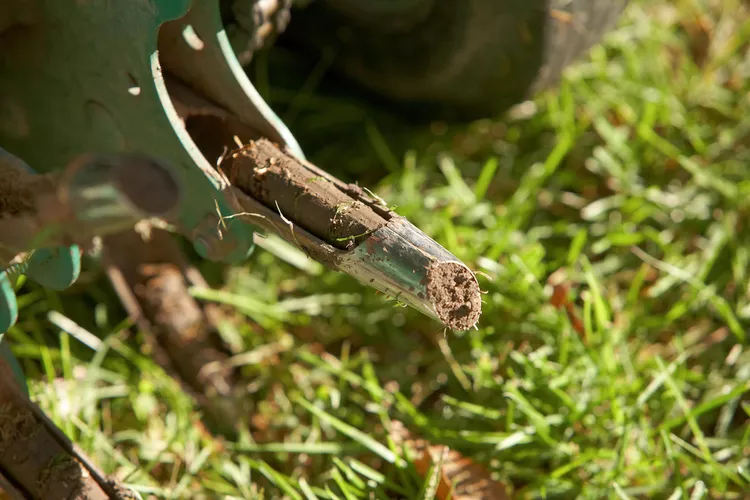
- Plug aerators, which remove a plug of soil and grass
Both break up hardened ground, but plug aerators are more effective.
When to Aerate Your Lawn
The best time to use aeration equipment depends on your grass type. Cool-season grasses, such as fescue, bluegrass, or ryegrass, should be aerated in early spring or early fall. Warm-season turf, including Bermuda grass, zoysia, or St. Augustine, does best with aeration in the late spring.
Regardless of your lawn's grass type, do not aerate the lawn within one year of planting grass seed or sod. Seedlings need time to reach maturity before being able to withstand aeration.
How to Aerate Your Lawn Manually
Large stretches of grass require mechanical aerator tools, but a handheld (or worn-on-the-foot) aerator will work for smaller landscapes. There are several types of manual aerators: aerator shoes, handheld aerators, and manual drum aerators.
Aerator Shoes
Aerator shoes with sturdy metal buckles are a great budget-friendly choice for small yards. The lawncare tool straps on over regular footwear and has sharp spikes beneath the soles that poke holes in your yard as you walk across your grass. Penetrate the turf thoroughly by making multiple passes over your lawn in different directions.
Handheld Aerators
Handheld aerators come in various configurations, but most resemble a pitchfork. The manual tool is generally a spike aerator, but some handheld aerators are designed to remove plugs. Using a handheld aerator is simple but tiring: Stab the spikes deeply into the grass, pull the tool out of the soil, and repeat, taking care to cover the entire lawn. Consider investing in an aerator with a foot bar for extra leverage.
Manual Drum Aerators
Manual drum aerators, sometimes called lawn spikers, are spike- or blade-covered heavy drums with long handles. Push the drum aerator across your lawn, making at least two complete circuits in different directions. Most manual drum aerators are spike lawn tools, but some are plug aerators.
How to Aerate Your Lawn Mechanically
Consider mechanical tools to aerate your lawn more quickly and efficiently. Mechanical aeration methods are ideal for large yards and are a good choice if you have concerns about hurting your back. These heavy-duty aerators usually remove plugs of soil and grass, which is the best method of lawn aeration. Lawn aerator rental is available at many garden centers and home improvement stores as an alternative to purchasing a tool.
Pull-behind Aerators
Pull-behind aerators look like manual drum aerators, but rather than you pushing the tool, a riding lawn mower does the work. Pull-behind aerators are generally heavier and spikier than manual lawn aerators, more effectively executing the task.
Gas-powered Aerators
Gas-powered aerators look like lawnmowers, but instead of spinning blades that cut grass, they have spinning spikes that aerate the soil. Some multi-functional models contain a dethatcher drum for added convenience, capturing the organic debris that builds up between the aerator and soil.
Tips for Aerating Your Lawn
A few tips for how to aerate your lawn will come in handy, regardless of the aeration method and tool you choose.
Preparation
A few days before aeration, rake up any fallen leaves or debris. Mow your grass to about half its usual height and water it well. Mark the locations of sprinkler heads and other small in-ground obstacles with flags or chalk.
During Aeration
Aerate the lawn using your chosen tool. If it's a spike aerator, make at least two passes over the yard, each in a different direction. If using a plug aerator, one pass is sufficient.
Aftercare
Leave any soil plugs on the lawn; they will return nutrients to the ground as they decompose. Fertilize your lawn or apply a top dressing of compost. This is also a good time to reseed any bare patches. Return to watering and mowing your lawn according to your regular schedule.