
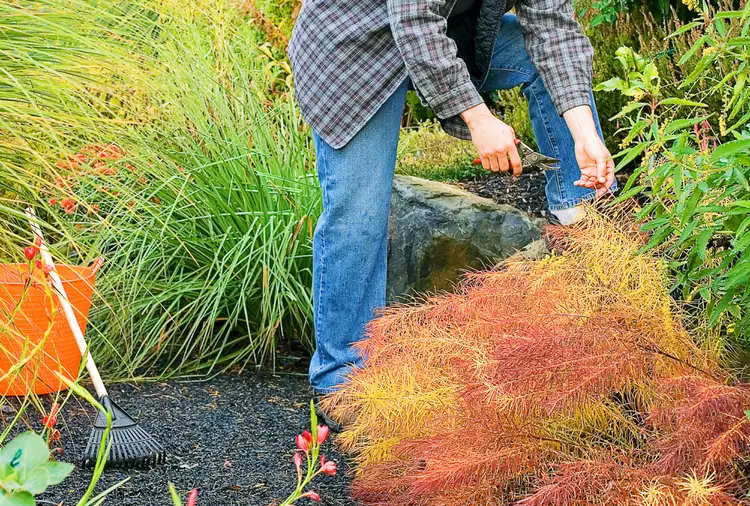
Traditional garden management has dictated a fall clean up of planting beds as a way to tidy and prepare for spring. However, this approach can actually create more overall work for you and has several environmental downsides. Leaving your plants standing is a big part of rethinking how we can tend a more sustainable landscape in autumn and all year round. Here are five reasons why you shouldn't cut back your garden in fall and what to do instead.
Benefits of Not Cutting Back Plants in Fall
1. Free Plants
If you allow desirable species to self sow and fill in, you'll get free plants that can cover the ground and combat weeds, increase soil moisture, reduce erosion, improve soil, and so much more. If you cut down and clean up flower heads in fall, you'll lose that free source of seeds. Of course, you may want to deadhead aggressive plants that are too prolific, but if that’s the case, removing and replacing that plant altogether may be the lower-maintenance option for you.
2. Supporting Wildlife
Those flower heads filled with seeds are bird food in winter. No need to stock a bird feeder when you have lots and lots of plants with lots and lots of seed heads, as well as the seeds that fall to the ground to forage. Leaving plants standing until spring also gives birds cover from predators and shelter during winter storms, not to mention other wildlife who need the same protection.
Don't worry about seeds from your plants attracting vermin. These types of animals don't eat seeds; they prefer food waste in our trash.
3. Flood Control
Standing plant stems and grasses hold a decent amount of moisture in winter. If your neighborhood is prone to urban flooding, leaving your plants standing keeps more rainfall (or snowfall) from quickly running off because all that plant material holds onto the moisture. Shrubs and trees provide the same benefit. The more leaf and stem mass you have, the less water will be flooding off all the hard urban surfaces that can’t absorb precipitation.
4. Natural Snow Fence
Piggybacking off the benefit of reducing water runoff, plants left standing act as a snow fence to reduce drifting across sidewalks, roads, and driveways. This also helps to gather more snow around the plants, which in turn insulates roots during really cold spells. And then those drifts will hydrate soil during the spring melt.
5. Winter Interest
Brown is a color, too, and those stems and umbels can be very architectural in the doldrums of winter. Consider how to design and plan for winter interest, learning to savor the many hues of brown and black, copper and umber in the landscape. Once you do, you’ll never want to cut back a perennial plant or ornamental grass again.
Do cut back diseased plant material in fall and properly dispose of it (don’t compost).
When to Cut Back Your Garden
So, when SHOULD you cut back your perennials and ornamental grasses? In spring you might see social media posts saying to wait until daytime temperatures reach 50°F, but that’s not true. Studies have found that it's the soil temperature, not the air temperature that matters. Once soil temperatures stay at or above 50°F, microbial activity increases in the soil and plants and many creatures (e.g. overwintering insects, spiders, and frogs) start to wake up and become active.
In some areas, the soil may become warm enough around tax time, or when fruit trees bloom, or when the lawn needs consistent mowing. But with climate change and variable weather patterns in the mix, it's tough to pinpoint the exact moment when you should cut back your garden in spring.
A soil thermometer is an inexpensive way to gauge when to get out your pruning shears. Or, most states offer soil temperature readings and maps to help farmers know the best time to plant. Check with your local land-grant public university programs for this information. The National Weather Service also supplies a map on its website.
How to Cut Back Plants (or Not)
When you do cut back your plants in spring, you can use a string trimmer, hedge trimmer, pruning shears, or mulching mower depending on the site and plant density. However, you may find that in some areas of your landscape you don’t need to clean up in spring at all because winter snows have flattened or broken plants. You can let old stems and leaves stay where they have fallen in your garden beds to act as free mulch.
If you choose to mulch mow a small backyard meadow or other area where you want plants to self sow more, raking up and removing the cut material every 2 years is a good idea to allow more sunlight to hit the soil to help seeds germinate.
Plants to Always Leave Standing
The dry stems of some native perennial plants make superb nesting habitat for the 25% of native bee species that nest in cavities. I’ve found the following species quite active in spring through midsummer for various bee species:
- Coneflowers (Echinacea spp.)
- Golden Alexander (Zizia aurea)
- Ironweeds (Vernonia spp.)
- Milkweeds (Asclepias spp.)
- Rattlesnake master (Eryngium yuccifolium)
- Sweet Joe Pye weed (Eutrochium purpureum)
- Tall coreopsis (Coreopsis tripteris)
- Wild bergamot (Monarda fistulosa)
Leaving these plants 12-18 inches tall in spring means native bees will have enough material to nest in. Aesthetically, this may bother some people but in a few weeks, new growth will have covered them up.
Autumn in a garden doesn’t have to mean a lot of work. With all this in mind, let the garden (and yourself) rest a bit instead. Then you can enjoy the many ecosystem services it will provide for the next several months, from shelter and food for wildlife to reducing snow drifts and urban flooding when soils are frozen and shed water more easily.